
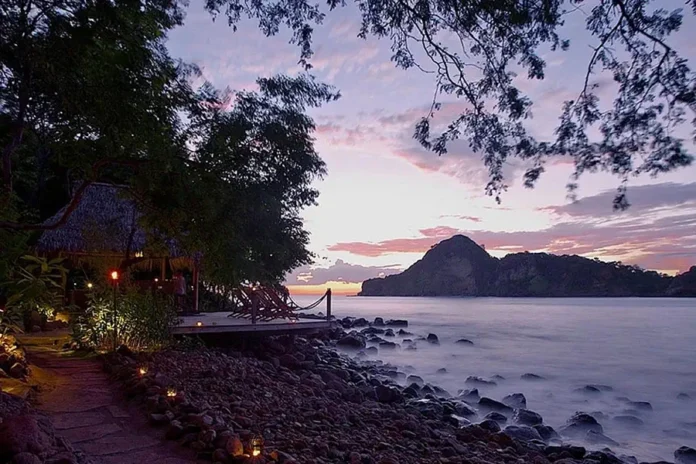
For decades, anyone dreaming of volcanoes, rainforest, and warm Pacific surf packed their bags for Costa Rica. Its northern neighbor sat right next door with the same ocean, the same jungle, and many of the same volcanoes — and somehow stayed off most itineraries. That gap is closing fast.
Nicaragua is having a moment, and it’s easy to see why. Prices run noticeably lower than in Costa Rica, the beaches are emptier, and the experience still feels unpolished in the best sense — colonial towns where life spills into the plaza at dusk, surf breaks you might have to yourself on a weekday, and stretches of coast where the loudest sound is the water.
A hotelier who has watched both countries evolve put it simply: Costa Rica grew up, got busy, and got pricey, while Nicaragua kept a rawness that travelers are only now rediscovering. New infrastructure is accelerating the shift. A coastal highway along the so-called Emerald Coast has turned a string of formerly hard-to-reach beach towns into a comfortable drive, opening up places that used to demand a rough four-wheel-drive commitment.
Here’s a grounded look at where to sleep, what to do, where to eat, and how to time a trip.
Where to Stay
Nicaragua’s lodging spans barefoot beach bungalows to genuinely upscale retreats. A few standouts cover the range.
Jícaro Island Lodge — Lake Nicaragua. This one sits on its own small island in Lake Nicaragua, ringed by water with volcano silhouettes on the horizon. With only nine casitas, it never feels crowded. Days here lean toward kayaking, short hikes, and long stretches of doing nothing at all from a lakeside hammock — a good fit for travelers who want quiet over nightlife.
Yemaya Reefs — Corn Islands. Out on the Caribbean side, this retreat offers oceanfront casitas tucked between jungle and sand. The pace is slow by design: spa treatments, morning yoga, and a kitchen leaning into Afro-Caribbean flavors. It’s one of the most genuinely peaceful corners of the country.
Rancho Santana — Emerald Coast. A sprawling property covering thousands of acres, this is where surfers and wellness travelers overlap. Five separate beaches, a full spa, hiking trails, and a working farm that feeds its own restaurants mean you could stay a week and never repeat a day.
Morgan’s Rock — near San Juan del Sur. Built inside a protected reserve, the bungalows here are made from natural materials and designed to disappear into the forest. Expect treetop views, private beach access below, and the sense of being deep in the wild while still being looked after.
What to Actually Do
Get into the wild
Nicaragua’s biodiversity is the real headline. The Indío Maíz Biological Reserve in the southeast is dense, remote rainforest teeming with wildlife. Head north toward Matagalpa instead and the landscape shifts to misty cloud forest, with waterfalls and cooler air in the Peñas Blancas highlands — a different country entirely from the hot coast.
Wander the colonial cities
Granada, founded in 1524, ranks among the oldest European-built cities in the Americas, and it wears its age well: pastel facades, horse carts, and a cathedral-anchored skyline. A couple of hours away, León is its grittier, more student-driven counterpart — climb onto the cathedral roof for one of the best views in the country.
Surf the Pacific
The Pacific coast delivers reliable, year-round waves. San Juan del Sur is the social hub and a forgiving place to learn, while Popoyo draws more experienced surfers chasing punchier breaks. Consistency is the selling point here — you rarely show up to flat water.
Board down a volcano
For something you won’t do many other places, there’s Cerro Negro — one of the youngest volcanoes in Central America, born in 1850. Travelers hike up the black gravel cone, then sled straight back down the volcanic slope, hitting speeds that make a five-minute descent feel a lot longer. It’s as wild as it sounds.
Where to Eat
The food scene is maturing fast, moving well beyond the standard backpacker fare:
- NM, Granada — inventive, farm-to-table tasting menus
- Boca Baco, Granada — sushi and Asian fusion alongside comfort dishes
- Cocina de Doña Haydée — the place for classics like gallo pinto and vigorón
- Cervecería San Juan del Sur — craft beer, live music, and a relaxed beach mood
- Magnific Rock, Popoyo — big ocean views and a lively crowd
Don’t skip the everyday staples either. Gallo pinto (rice and beans) is the national breakfast, and vigorón — yuca, pork crackling, and cabbage slaw wrapped in a banana leaf — is the street food worth seeking out.
Worth Building Into Your Route
- Ometepe Island — two volcanoes rising out of Lake Nicaragua, a hub for eco-tourism and slow travel
- Little Corn Island — no cars, no rush, just a small tropical escape on the Caribbean
- Laguna de Apoyo — a crater lake with calm, swimmable water, ideal for an easy day
- Managua — the capital functions mostly as a transit point; earthquake history left it without a traditional dense center
When to Go
The sweet spot is mid-November through April, the dry season, when skies stay clear and the heat is manageable. A few timing notes:
- Rainy season runs May into early November, usually as short afternoon showers rather than all-day downpours
- September and October bring the heaviest rain
- December through February can mean choppy boat crossings to Little Corn Island
- Hurricane season spans June to November — the risk is low but not zero
- During Semana Santa (Holy Week before Easter), expect lively celebrations, but also bigger crowds and higher prices
Getting There and Around
From the U.S., direct flights reach Augusto C. Sandino International Airport in Managua via Houston (United) and Miami (American). An alternative route: fly into Liberia in Costa Rica and drive roughly two hours north to reach southern Nicaragua — handy if the fares line up better.
Once you’ve landed:
- Taxis are the everyday default; agree on the fare before you get in
- Local buses (“chicken buses”) are cheap and an experience in themselves
- Private transfers are the comfortable choice for longer hauls
- Domestic flights are rarely necessary unless you’re heading to the Caribbean coast
The Bottom Line
Nicaragua has shed its backpackers-only reputation. It now stands as a real alternative to Costa Rica for travelers who want volcanoes, surf, rainforest, and genuine luxury without the crowds or the premium price tag. Whether that means sledding down a volcano, surfing an empty break at dawn, or doing absolutely nothing on a remote island, the experiences here still feel undiscovered.
If you’ve been waiting for somewhere new before everyone else arrives, this is a strong candidate — and the window of “before the crowds” won’t stay open forever.