
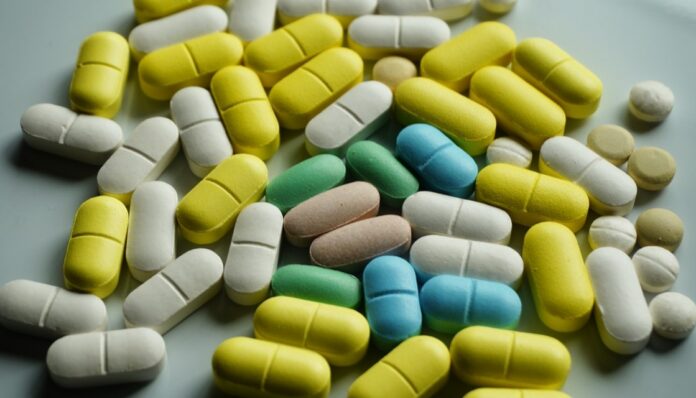
A single lot of prescription-strength ibuprofen is being pulled from pharmacies nationwide because tiny aluminum particles may be stuck to the surface of some tablets. The company behind it, Golden State Medical Supply of Camarillo, California, announced the voluntary recall on Nov. 23, and the U.S. Food and Drug Administration posted the notice a day later.
The risk looks small. The company says the chance of harm is remote and it knows of no injuries. Still, the instructions to anyone holding these pills are clear: stop taking them and get in touch with a pharmacist or doctor.
The tricky part is figuring out whether your pills are affected, because the details printed on a pharmacy bottle often differ from the ones in the recall notice. This guide walks through what is known, what is not, and how to check.
Exactly What Is Being Recalled
The recall covers one lot and nothing else. Over-the-counter ibuprofen, other strengths and other lots from the same company are not part of it.
| Detail | Recalled product |
|---|---|
| Product | Ibuprofen 800 mg tablets, prescription only |
| Packager | Golden State Medical Supply, Inc. (GSMS) |
| National Drug Code (NDC) | 51407-841-05 |
| Lot number | GS069303 |
| Expiration date | January 2030 |
| Bottle size for that NDC | 500 tablets |
| What the tablet looks like | White, caplet-shaped, film-coated, stamped “8I” on one side |
The bottle size and tablet description come from the company’s drug label on DailyMed, the National Library of Medicine’s label database. The other rows come from the FDA notice.
Why Your Bottle May Not Show the Lot
Here is the detail most coverage skips. According to the label, the NDC ending in -05 is a 500-tablet bottle. That is a stock size for pharmacies, not something most patients take home.
The recall notice says the lot was sold to McKesson, a drug distributor that supplies pharmacies. A pharmacy often counts a patient’s prescription out of a large bottle like this one into a smaller vial with its own label. That label usually names the drug and strength but not the original lot number.
So if you look at your vial and see no “GS069303,” that does not settle the question. Two clues can help:
- The tablet itself. A white caplet marked “8I” matches how the label describes this company’s 800 mg tablet. Tablets from other makers may look different, so the marking is a useful first clue.
- Your pharmacy’s records. The pharmacist can look up which manufacturer and lot filled your prescription. McKesson has been told to send the recall paperwork, including a letter for patients, to its pharmacy customers.
The “8I” marking points to the company, not the lot. Only the pharmacy’s records, or the original stock bottle, can confirm the lot.
What the Particles Could Do
The FDA notice describes the particles as 0.01 to 0.10 mm across. The upper end is one tenth of a millimeter, and the smallest are a tenth of that again.
According to the company, swallowing tablets from this lot might lead to mild irritation or scraping of the lining of the stomach or intestines. It calls a related health problem remote because the particles are so small, and as of the announcement it was not aware of any adverse events tied to this lot.
The FDA sorts recalls into three classes. Its definitions run from Class I, where serious harm or death is reasonably likely, to Class III, where harm is not likely. The company notice does not list a class, so it is unclear which one the agency will assign.
What to Do If You Take Ibuprofen 800 mg
The recall notice tells consumers, patients and caregivers to stop using the medicine and contact their physician, pharmacist or health care provider right away. Here is that advice turned into steps:
- Look at your tablets. Note whether they are white caplets stamped “8I.”
- Call the pharmacy that filled the prescription. Ask which manufacturer and lot number were used.
- If it is the recalled lot, stop taking it and return the unused pills to that pharmacy, as the notice directs.
- Ask about a replacement. Your pharmacist or prescriber can arrange another supply or suggest what to do in the meantime.
- Watch for problems. If you think the pills made you sick, contact your doctor.
Ibuprofen at this strength is a prescription drug for arthritis, mild to moderate pain and menstrual cramps. Its label carries a boxed warning about heart and stomach risks shared by all NSAIDs. Decisions about stopping, switching or restarting a prescription belong with the person who prescribed it, not with a news article.
How to Reach the Company or Report a Problem
| If you want to | Contact |
|---|---|
| Ask about the recall | GSMS at (800) 284-8633, ext. 116, Monday to Friday, 7:30 a.m. to 4 p.m. Pacific, or recalls@gsms.us |
| Report a side effect or quality problem | FDA MedWatch at fda.gov/medwatch, or by fax at 1-800-FDA-0178 |
| Return pills | The pharmacy where you got them |
Timeline
- Nov. 23, 2026. Golden State Medical Supply announces the voluntary, consumer-level recall.
- Nov. 24, 2026. The FDA posts the company’s announcement on its recalls page. The agency notes that it posts these notices as a public service and does not endorse the company or product.
- Next. McKesson sites stop distributing the lot, quarantine remaining stock and return it to the company.
What We Know and What We Don’t
Known: one lot, one strength, one NDC, distributed through McKesson nationwide, with no reported injuries as of the announcement.
Not yet known: how many bottles or tablets went out, which pharmacies received them, how the aluminum got onto the tablets, and what recall class the FDA will assign. The notice does not answer these questions, and we will not guess.
For background on how the FDA explains its decisions on medicines, see our look at what a recent FDA cancer drug approval does and does not change.
Sources: FDA recall notice from Golden State Medical Supply, DailyMed label for GSMS ibuprofen tablets, FDA recall definitions, FOX 8 Cleveland (WJW), Health.com.